3rd February 2025
Top 10 Construction Site Hazards
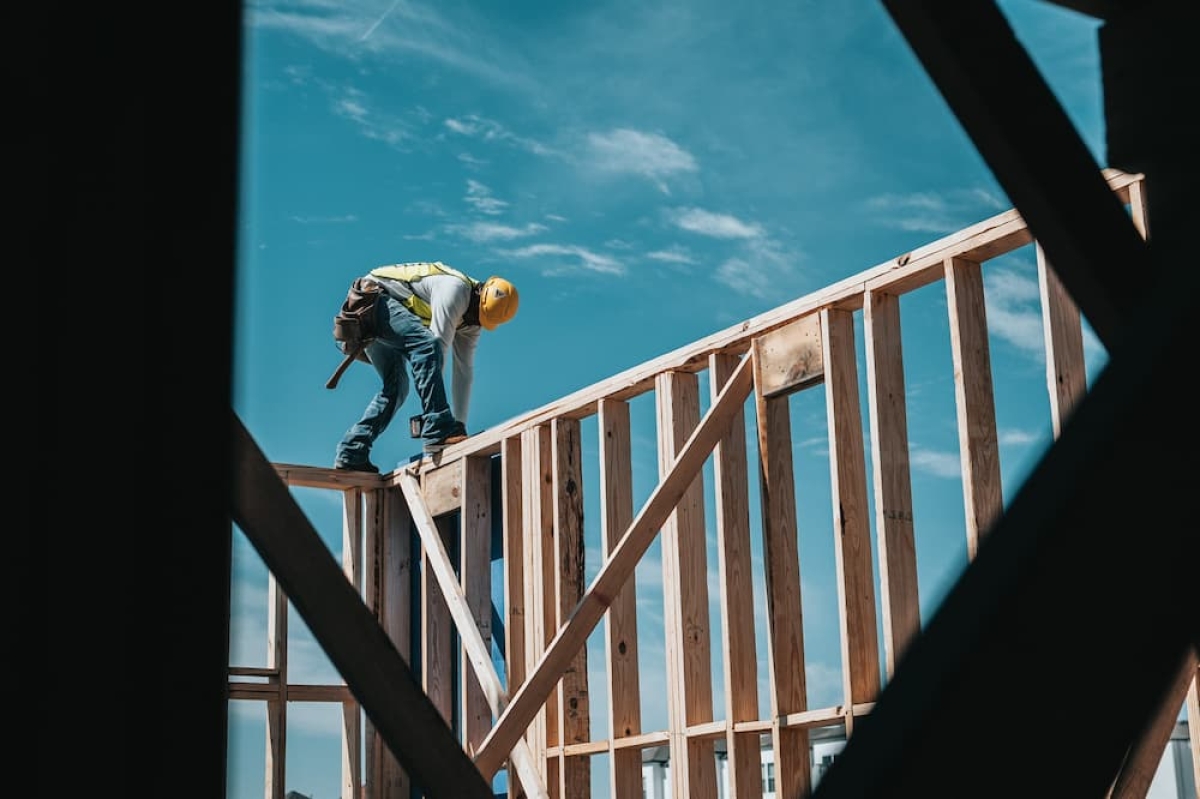
Did you know that fatal accidents have gone up almost 20% in the past 5 years with falls from a height accounting for most of these incidents? According to the latest HSE data.
Did you know that fatal accidents have gone up almost 20% in the past 5 years with falls from a height accounting for most of these incidents? According to the latest HSE data.
Some of the most common accidents in the construction industry are slips, trips and falls, manual handling, falls from a height and being stuck in between a moving or falling object.
Risk assessments should be carried out by management to identify potential hazards on a construction site.
To put it simply, construction sites are a health and safety nightmare with an endless amount of factors that can cause you harm. However, there are ways that you can keep these risks to a minimum.
Responsible employers are aware of their duty of care to employees and visitors, and appropriate accident prevention measures are essential to ensure the right level of care.
An employer must ensure that the workforces have the relevant health and safety awareness training, and at Beaconrisk, we have many health and safety courses available.
Construction site safety is imperative, which is why risk assessments should be carried out by management to identify building site hazards and understand what could cause potential construction site risks.
You may be wondering what the most common safety hazards in construction are; if so, keep reading to find out the top 10 construction site hazards:
1- Working From Height
Construction regularly relies on tradespeople to work at heights, which is a safety hazard. Working at heights runs the risk of falling and is the most common cause of fatalities in the construction industry
Other height-related injuries account for many of the accidents in construction that happen each year.
How to prevent the risks associated with working from a height? To reduce the risk on construction sites when working from a height, consider:
- Implementing correct training
- Using the appropriate safety measures (e.g. harnesses and guardrails)
- Conducting regular site inspections
Adhering to the right procedures and regulations put in place by the Health and Safety Executive
2- Moving Objects
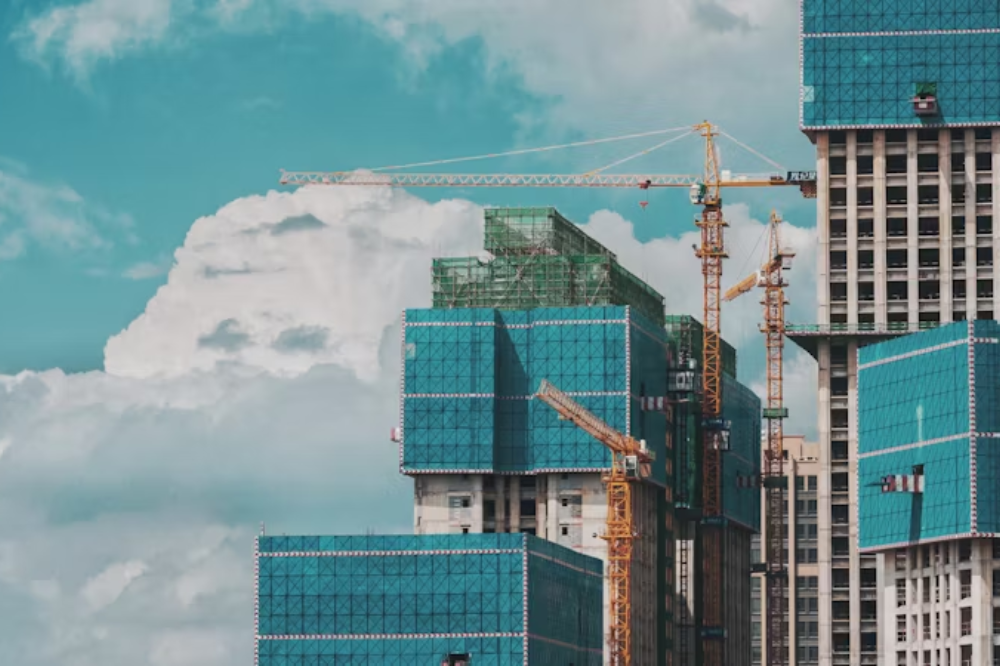
A construction site is full of ever-changing hazards, including heavy lifting equipment, shifting heavy loads, vehicles, and usually manoeuvring everything over uneven terrain.
How to Prevent the Risks Associated With Moving Objects?
- Make sure pathways are clear
- Secure loads properly
- Provide training for handling equipment
- Use warning signs
3- Slips, Trips and Falls
Slips, trips, and falls happen on a daily basis in any industry’s workplace across the UK. On construction sites, this hazard is made even worse.
With uneven ground, all kinds of holes in the floor, buildings at different stages of completion, and building resources being stored, there is always something to slip, trip and fall over.
How to Prevent the Risks Associated With Slips, Trips and Falls?
- Keep floors clean and dry
- Remove obstacles and hazards from walkways
- Provide the necessary training
4- Manual Handling
In construction, materials are always going to be moved around, whether this be by a machine or manually. Different construction trades will require different amounts to be lifted but there is always a risk no matter which trade you are in.
The correct manual handling training must be carried out for all employees who are required to do some manual handling, which may involve a test to confirm competency. Records of the training must be maintained for verification.
How to Prevent the Risks Associated With Manual Handling?
- Use mechanical aids whenever possible
- Conduct risk assessments
- Maintain ergonomic workstations
- Promote awareness of safe handling practices among employees
5- Noise
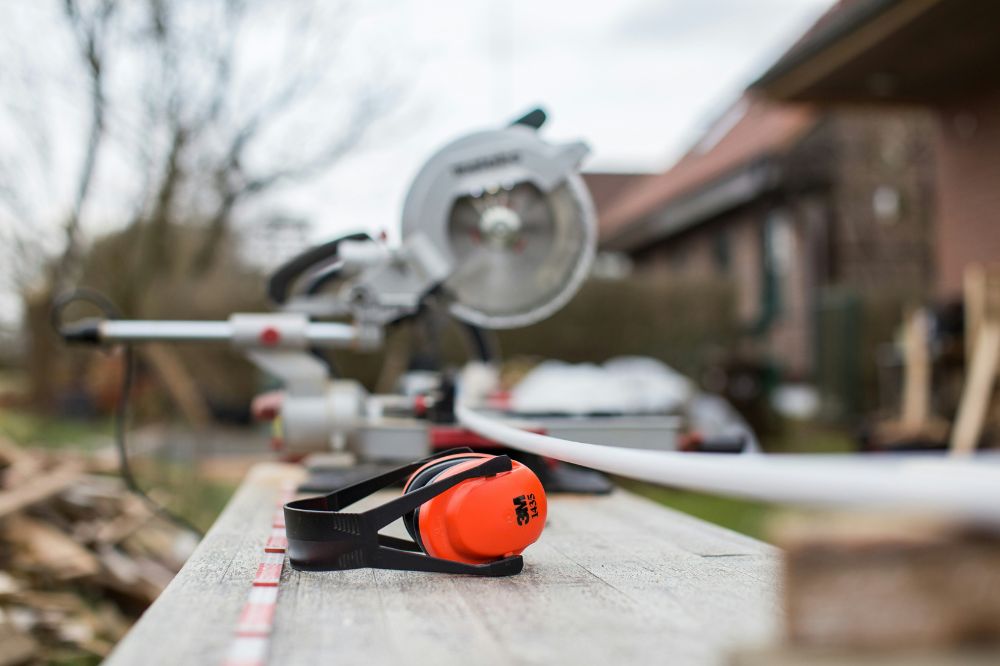
Repetitive and loud noises are a major problem in the construction industry. In the long term, this can cause serious problems to someone's hearing and can be the cause of accidents too.
Depending on how noisy a site is will depend on the level of ear protection required. Employers must carry out a noise risk assessment in the construction industry, and document and supply the appropriate PPE (personal protective equipment).
How to Prevent the Risks Associated With Noise?
- Conduct regular noise assessments
- Implement engineering controls like soundproofing or noise barriers
- Enforce noise regulations
- Provide employee training on noise hazards
- Promote awareness of the importance of hearing conservation
6- Electricity
Three construction workers are said to be electrocuted each year during building work.
People working in commercial and domestic refurbishment, near overhead power lines and or working closely with electrics, are at risk (plumbers, joiners and decorators).
How to Prevent the Risks Associated With Electricity?
- Regularly inspect electrical systems, including wiring and outlets.
- Make sure to implement effective grounding and insulation measures to reduce the risk of electrical shocks and fires.
- Use circuit breakers and surge protectors to add an extra layer of protection against electrical faults and overloads.
7- Hand Arm Vibration Syndrome
More commonly referred to as ‘Blue Finger’, this is relative to the construction industry. It’s a painful and debilitating industrial disease of the blood vessels, nerves and joints.
It’s triggered by the prolonged use of vibratory power tools, which means that it’s a serious physical health risk.
This disease has frequently affected ex-construction site workers who have worked for years in the past with little to no protection and using inappropriate and poorly maintained equipment.
Many have filed a compensation claim in later life as a result of this.
How to Prevent the Risks Associated With Hand Arm Vibration Syndrome?
- Use vibration-dampening tools
- Take regular breaks
- Provide proper training on safe handling practices.
8- Respiratory Diseases
Construction sites kick up a lot of dust. Tiny particles and fibres that are often so fine, are invisible and are usually a mixture of toxic and hazardous substances that cause damage to the lungs.
Employers have to equip employees with the necessary protective equipment (PPE), otherwise, lung damage can lead to serious health risks from diseases such as chronic obstructive pulmonary, asthma and silicosis.
How to Prevent the Risks Associated With Respiratory Diseases?
- Wear appropriate PPE
- Make sure there is proper ventilation in work areas
- Minimise exposure to airborne contaminants through control measures
9- Collapse
Every year collapsing structures and trenches, bury and seriously injure those working in them.
This is less of a hazard and more of a risk and is more associated with demolition work or when a partially completed building or scaffolding collapses.
However, this still causes a percentage of fatalities each year, so make sure the appropriate risk assessment for construction sites are carried out.
How to Prevent the Risks Associated With Collapse?
- Complete regular risk assessments
- Wear the correct PPE
- Implement proper evacuation procedures and trench safety
- Monitor and maintain equipment and materials
- Reinforce buildings and structures
10- Asbestos
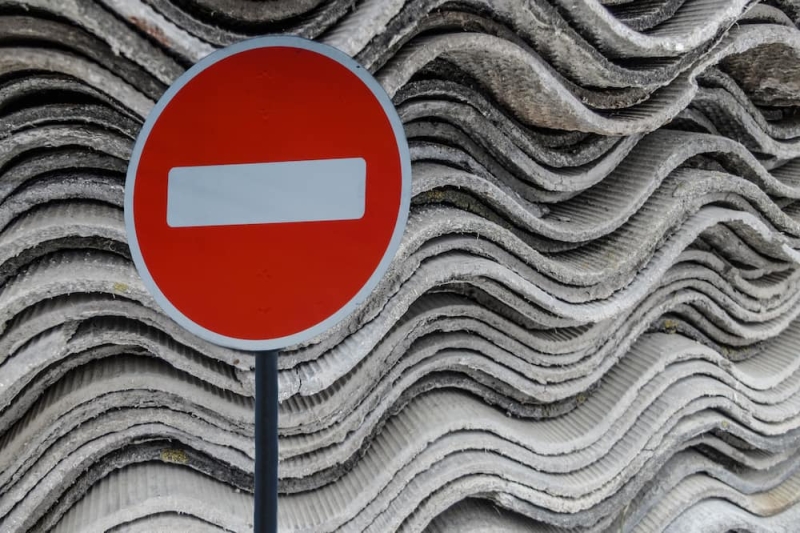
Last but not least, we have asbestos, a material which was commonly used in building materials from the 1950s to the 1990s.
The use of asbestos has since been banned in 1999 due to the amount of work-related deaths in Great Britain. Asbestos kills around 5000 workers per year as a result of past exposure.
How to Prevent the Risks Associated With Asbestos?
- Wear the correct PPE
- Avoid disturbing asbestos-containing materials
- Monitor air quality
- Conduct regular inspections
- Identify and assess potential asbestos presence
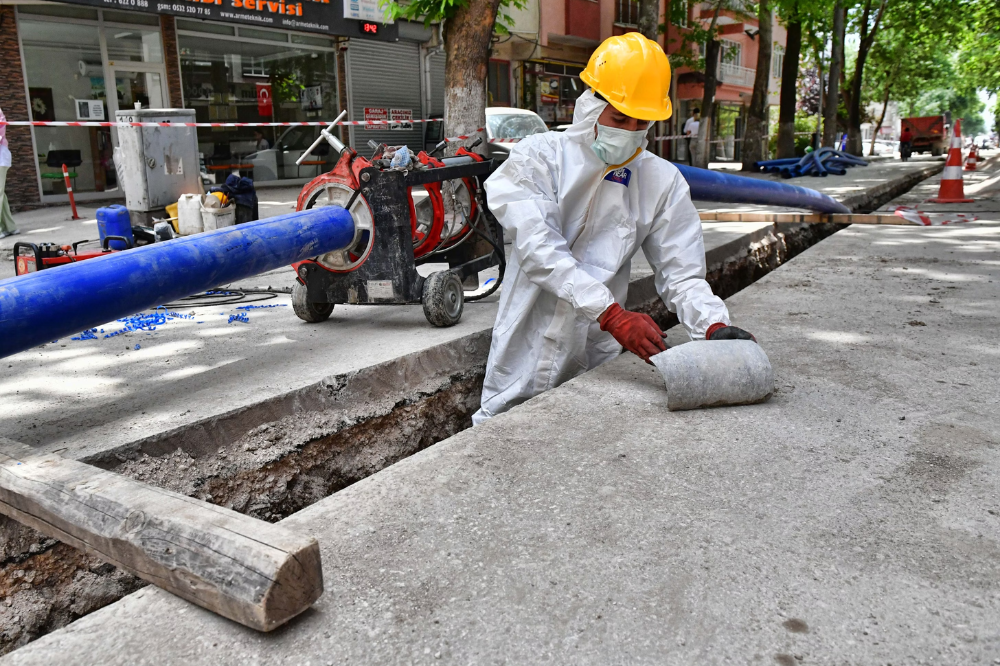
Why is it Important to Prevent Risks?
Preventing risks is important in ensuring the safety, stability, and success of individuals, organisations, and communities. Here's why:
- Safety: Risk prevention reduces the likelihood of accidents, injuries, and harm to both people and property.
Financial stability: Reducing risks protects financial investments and prevents potential losses, ensuring long-term financial health. - Reputation: Effective risk management maintains trust and credibility, allowing for a positive reputation among stakeholders.
- Legal compliance: Adhering to risk prevention measures ensures compliance with laws and regulations, minimising legal liabilities and penalties.
- Long-term sustainability: Proactive risk management strategies contribute to the sustainability of resources, environments, and communities, safeguarding their well-being for future generations.
Stay Safe at Work With Beaconrisk
Here at Beaconrisk, we offer a wide range of e-learning and accreditation courses to ensure you remain safe at work. One of the e-learning courses we offer is a workplace health and safety course.
This course is approved by the IIRSM and takes around 45 minutes to complete. By the end of this course, you will:
- Have a thorough understanding of health and safety legislation
- Be able to list common causes of accidents
- Understand good practices in relation to electricity
- Be able to describe the use of safe manual handling techniques
- Be able to describe good practices associated with COSHH regulations
- You will know how to deal with an accident
For more information on the services we offer or to speak to a member of our team, contact us today at 0800 059 0101. We look forward to hearing from you.