17th June 2024
Our Guide to PPE in Construction
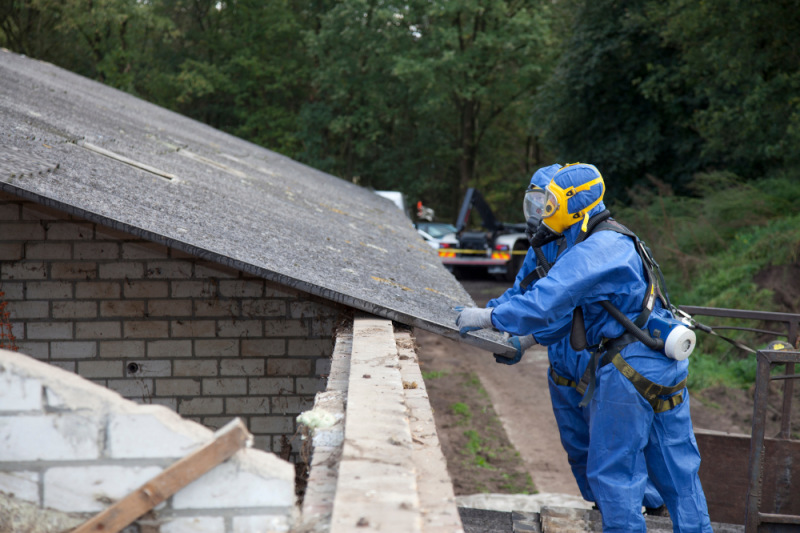
The importance of PPE is crucial in the construction industry and health and safety must always be at the forefront of people's minds to keep themselves and the people around them safe.
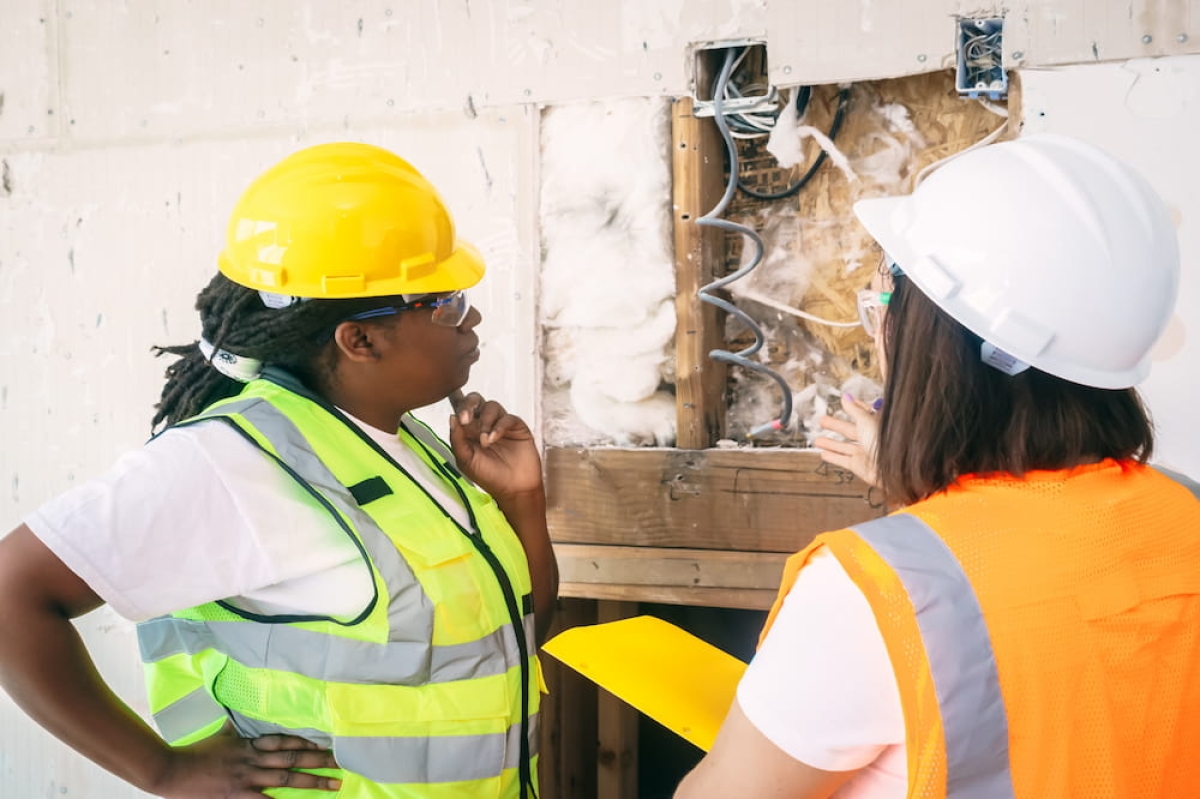
The importance of PPE is crucial in the construction industry and health and safety must always be at the forefront of people's minds to keep themselves and the people around them safe.
The construction industry reports the highest number of fatal injuries due to accidents each year, so it's crucial to have the correct safety equipment to minimise the chance of accidents happening.
Unfortunately, there will always be risks and hazards in any work environment (especially construction sites) - no matter how many safety measures you take! Learn more about our guide to PPE in construction so you can keep safe at all times.
What is PPE?
PPE stands for Personal Protective Equipment and includes all equipment that is used to protect employees from health and safety risks they might encounter at work. This includes equipment including a safety helmet, goggles and any other garments or equipment designed to protect the lungs, head, eyes, ears, face or skin.
Important Things to Remember With PPE
Well-fitting and the correct type of PPE equipment could be a matter of life or death in the event of an accident. Any worker should be properly trained and instructed on how to use their personal protective equipment. PPE training is important in all industries.
They must know why they have to wear it and when they should wear it and if multiple items of PPE have to be worn at once they must all fit to get and work effectively worn simultaneously. For example, safety goggles should not interfere with the seal of the respirator.
From January 1, 2023, all new PPE supplied to England, Scotland and Wales must be marked with the UKCA marking or accompanied by documentation that is marked with it. The supply of other PPE equipment with CE marking is allowed in England, Scotland and Wales until December 2022.
Head Protection
Head protection is required on pretty much all construction sites, and it is important for construction work to always be organised to minimise risks at all costs. To comply with the Personal Protective Equipment Regulations 1992, employees must be supplied by their employers with the correct head protection and ensure it is worn. Safety helmets or hard hats are used at work on construction sites, bump caps only protect from non-moving hazards and are not adequate protection for construction workers.
Acceptable head protection should:
- Be in good condition and not damaged; if head protection is damaged, then it must be thrown away
- Fit each employee well
- Always purchase head protection from a trusted supplier
Ear Protection
Those that work around noise hazards must wear ear protection, with both the exposure to loud noise and the duration of it too can contribute to serious, long term and even permanent ear damage. Even for short durations, loud sounds can be damaging and a hazard to the ears.
All workers exposed to any loud sound should be provided with the correct type of ear protection for the type of sound they are exposed to.
Ear protection comes in the form of earplugs, earmuffs and semi-insert/canal caps, all ear PPE must not be compromised in terms of safety. All workers must be made aware of how to wear their ear PPE properly to ensure correct and maximum protection.
Lung Protection
Construction sites can collect dust, gasses and vapours, and exposure to these harmful factors can cause life-affecting diseases later on in life. Examples of lung protection include:
- Filtering face pieces
- Respirators
- Power-assisted respirators
- Self-contained breathing apparatus
- Fresh-air hose
It is important to remember that some lung PPE has a limited lifespan and it should never exceed the lifespan if you want it to work effectively and keep people safe.
Eye and Face Protection
For the importance of protecting your eyes and face when at risk of chemicals, metal, dust, gas, vapours, radiation or any other harmful substance that can affect your eyes or skin - eye and face protection should be worn. Examples of eye and face protection include:
- Safety glasses
- Face shields
- Visors
It is important to wear eye protective equipment in construction, as a construction site can be extremely hazardous.
Why is PPE Important?
Wearing PPE is extremely important, especially in the construction industry. This is because it keeps everyone in the workplace safe at all times. PPE protects workers from physical injuries caused by heavy materials, falling objects and hazardous substances.
It also prevents exposure to harmful chemicals and substances that may cause burns, poisoning or respiratory problems. PPE is also a great way to prevent injuries that could occur in the workplace, such as cuts, abrasions, fractures and eye injuries.
It is important that you adhere to the health and safety regulations, which express the use of appropriate PPE. Workers will also feel more confident and comfortable in the workplace if they feel protected. This can help boost employee productivity.
How Can You Make Sure You Are Wearing Your PPE Correctly?
It can be difficult to remember the correct way to wear your personal protective equipment (PPE, which is why there is a technique that you can follow to make things that little bit easier.
This technique is known as donning and doffing. To put your construction PPE on correctly (donning), follow the following steps:
Start by cleaning your hands and wrists by using soap and water or an alcohol-based hand gel
- Put your face mask on
- Make sure your mask fits around your mouth and nose
- Put your eye protection on
Lastly, put your gloves on
To take off your PPE (doffing), you should:
Firstly, remove your gloves Clean your hands and wrists (and forearms if necessary)
- Remove your eye protection
- Clean your hands again
- Remove your mask from the ear loops
Finally, wash your hands again
If you need Beaconrisk for any help or advice then contact us and we will be sure to get back to you. We have various courses and accreditations, such as Constuctionline, available to ensure your construction business remains health and safety compliant.