17th April 2025
What Was Asbestos Used for in the UK?
Asbestos was once considered a 'wonder material' in the construction industry before it was completely banned in the UK in 1999.
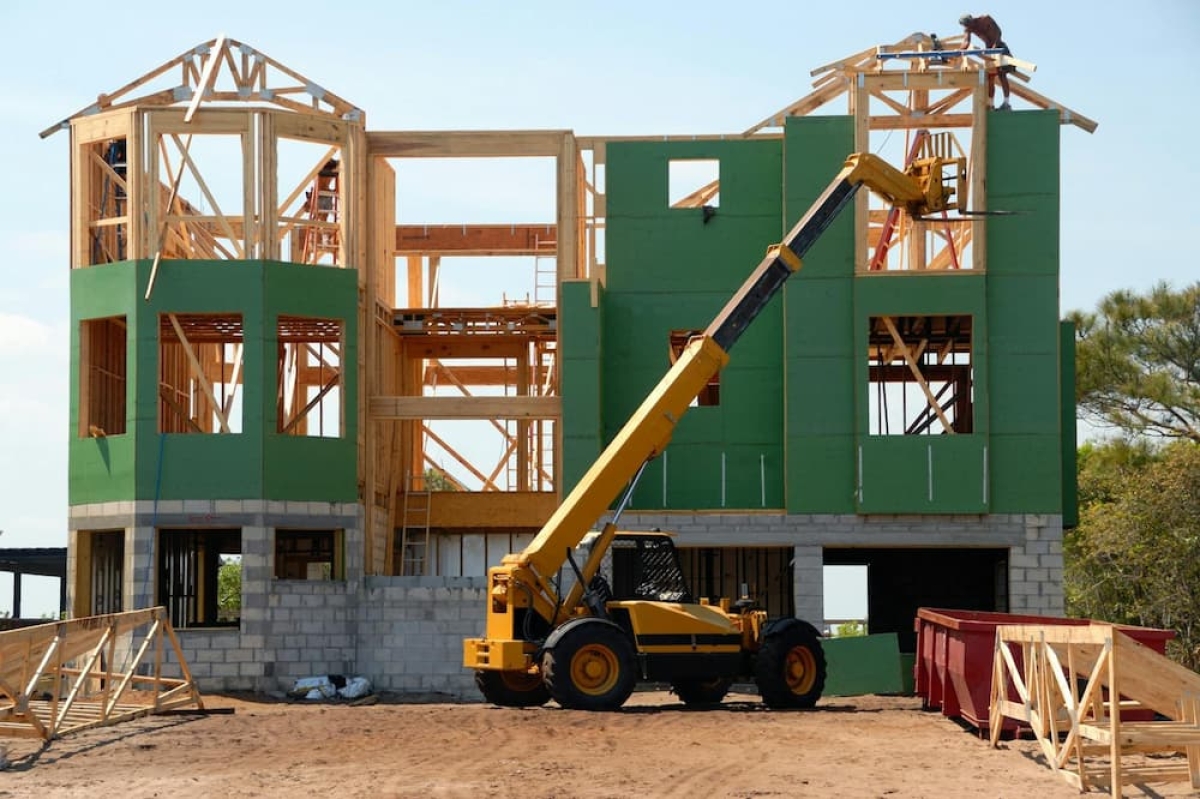
Asbestos was once considered a 'wonder material' in the construction industry before it was completely banned in the UK in 1999.
It was used for its strength, insulating properties and strength - but what exactly was it used for in construction? And how can you tell whether it's still present in a building?
We've got you covered. Read on to find out the typical uses of asbestos in construction, how to spot it, and what to do if you think you've found it.
Why Was Asbestos Used?
Before we fully understood just how dangerous asbestos is, it was used across building construction due to its versatility. It was so popular for the following reasons:
- Heat resistance – Ideal for fireproofing and thermal insulation
- Durability – Strong and long-lasting in building materials
- Sound insulation – Used to reduce noise transfer in multi-occupancy buildings
- Chemical resistance – Suitable for industrial settings
Cost-effectiveness – Cheap and widely available
Asbestos use boomed in the 19th-century Industrial Revolution for ships, power plants and steam engines - and the huge increase in construction after WWII meant asbestos was used in over 3,000 products.
Learn more: The History of Asbestos Use in Construction
What Building Materials Contain Asbestos?
Asbestos can be found everywhere, from roofing to flooring and everything in between. Here are just a few of the typical uses of asbestos in construction:
Structural Materials
- Asbestos cement sheets – Used in wall cladding, roofing, and soffits
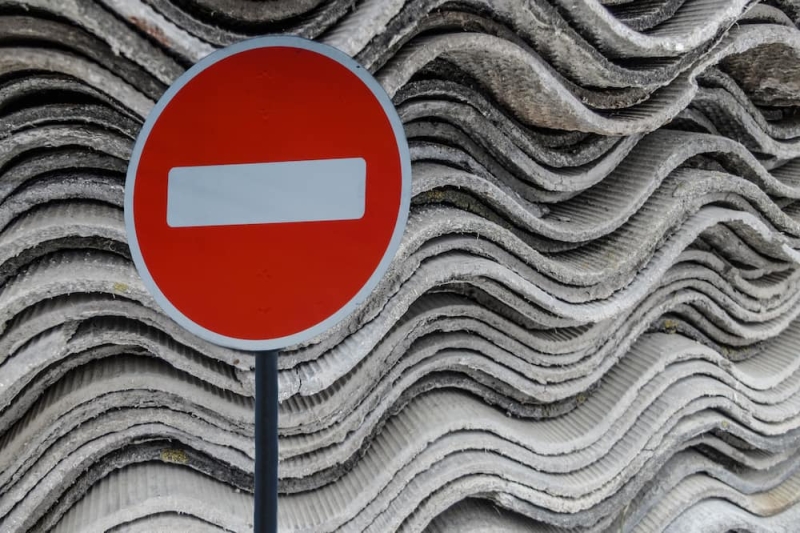
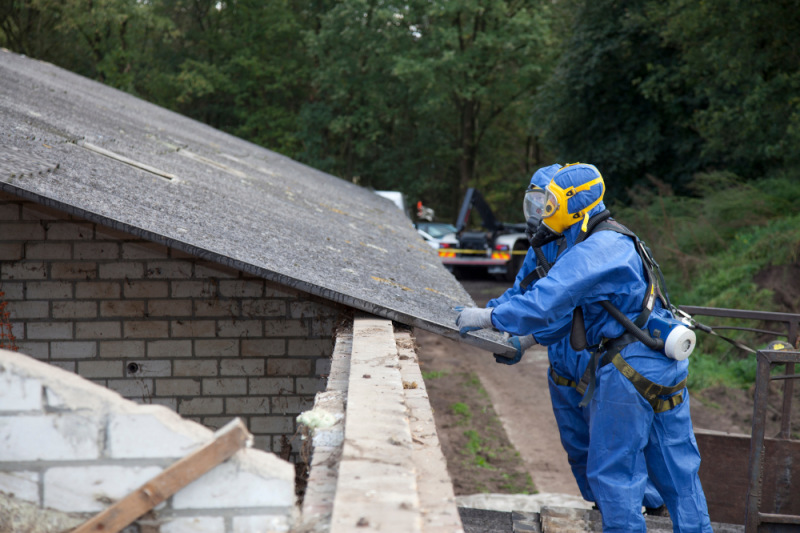
- Corrugated asbestos roofing – Common in garages, sheds, warehouses, and farm buildings
- Asbestos insulating board (AIB) – Used in partition walls, suspended ceilings, fire doors, and panels behind radiators
- Asbestos-containing plaster and render – Occasionally mixed into plaster for fire resistance
Thermal Insulation Materials
- Pipe lagging – Found in older heating systems, particularly in basements and boiler rooms
- Boiler and tank insulation – Especially in older commercial and council-owned properties
- Loose-fill insulation – Highly dangerous – looks like fluffy grey material, used in lofts and cavities
Fire Proofing Materials
- Sprayed coatings on structural beams and ceilings – Common in industrial and public buildings
- Fire blankets and protective mats
- Fire doors and panels – Often reinforced with AIB
- Lift shaft linings – To help fireproof shafts in multi-storey buildings
Decorative Materials
- Textured coatings (e.g. Artex) – Used for ceilings and walls
- Asbestos-containing paints and sealants
- Decorative ceiling tiles – Particularly acoustic or patterned tiles used in office buildings
⚠️Note ⚠️ – You cannot identify asbestos just by looking at it. Many ACMs look exactly the same as their non-asbestos counterparts. If you suspect a material may contain asbestos, do not disturb it. Always seek professional asbestos surveying and testing before carrying out any work.
.jpg)
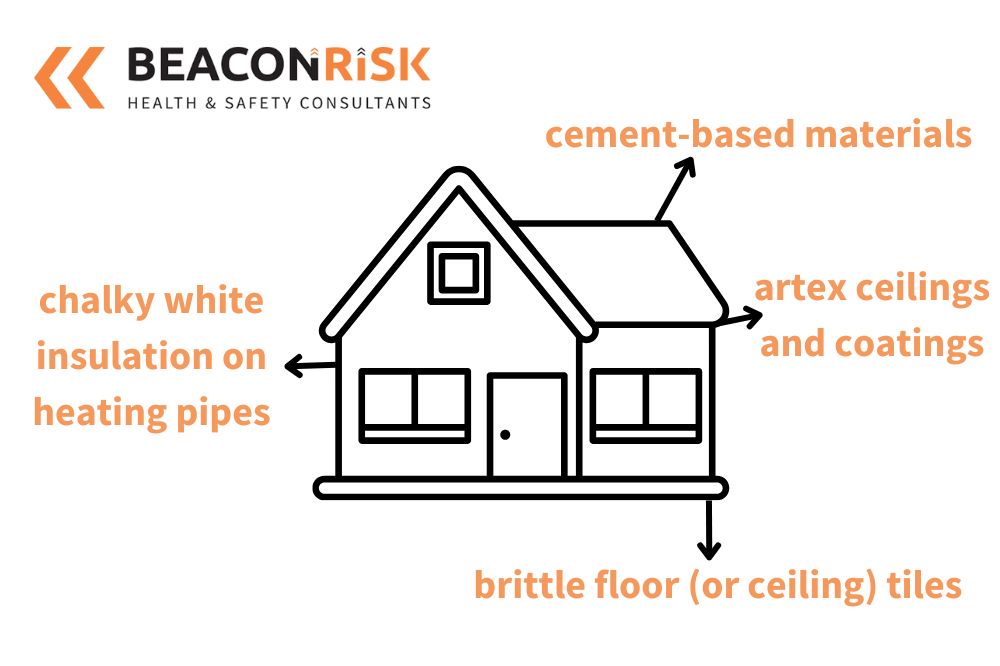
How to Identify Asbestos in Homes
Spotting asbestos in your home isn't easy, and if you suspect asbestos, you should arrange a professional asbestos survey.
You can't confirm asbestos by looking at it. However, if your home was built before the year 2000, it is at a higher risk of containing asbestos – as it wasn't banned in construction until 1999.
Some other signs that your home may contain asbestos include:
- Old textured coatings
- Cement-based materials in your garage or roof
- Brittle ceiling or floor tiles that snap instead of bend
- Heavily insulated pipes or tanks (if you have an older heating system)
How to Identify Asbestos in Commercial Buildings
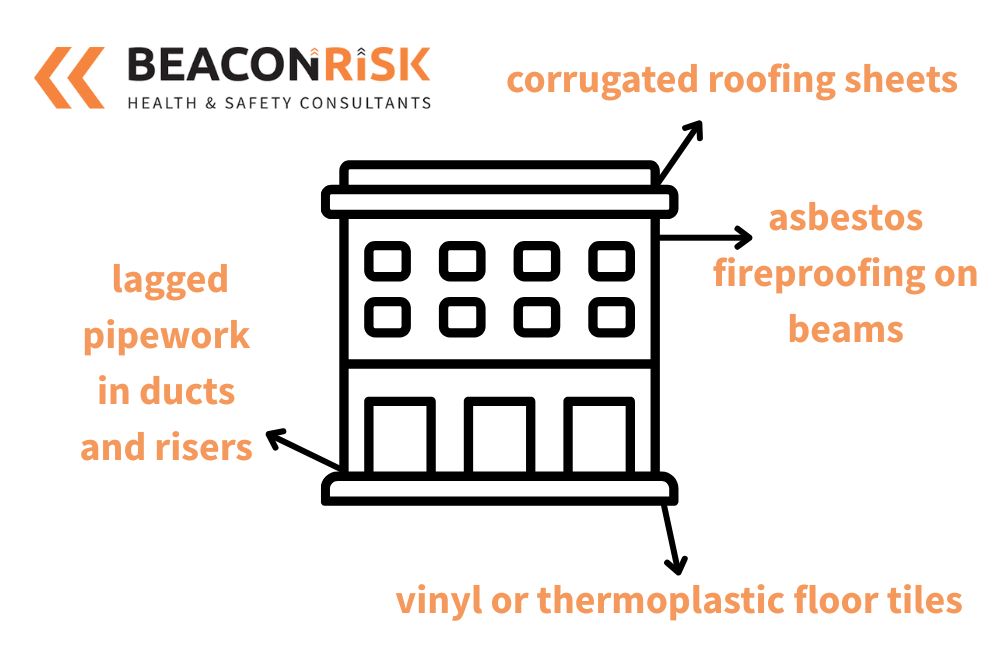
Identifying asbestos in commercial buildings can be just as tough. Asbestos is widespread in old, large commercial/ industrial buildings - particularly in those built (or refurbished) between the 1950s and the 1980s.
Some rooms or spaces that may be more at risk of asbestos include:
- Plant rooms and service risers
- Suspended ceiling voids
- Lift motor rooms
- Basements with legacy pipework
Roofing systems and cladding
Please note that all duty holders in non-domestic buildings (such as employers or property managers) are legally required to identify and manage asbestos under the Control of Asbestos Regulations 2012.
Need help? Check out our Asbestos Awareness E-Learning Course to ensure your team stays safe and compliant.
Why is Asbestos Banned?
Asbestos is banned because it can be extremely dangerous when the fibres are inhaled. It can cause severe diseases such as mesothelioma, asbestosis, lung cancer and pleural disorders.
These fibres are microscopic and can remain in the air for hours – which means you can inhale them without even realising it. Symptoms may not appear for 20-50 years, and by then, the damage is done.
Asbestos is one of the biggest health and safety risks in the construction sector. There are around 5,000 asbestos-related deaths per year in the UK alone – and around 255,000 deaths around the world.
Following regulations, guidelines, and health and safety advice is an absolute must when it comes to dealing with suspected asbestos.
Learn more about the dangers of asbestos in construction here.
Need Professional Advice Regarding Asbestos?
At Beaconrisk, we provide asbestos surveys, management plans, and safety training tailored to your site and team. Whether you’re a contractor, property owner, or business, we’ll help you stay safe and compliant.
Call us on 0151 647 8658 or request a quote today.