25th April 2025
When Was Asbestos Banned in the UK?
Asbestos was very popular for decades, with asbestos use in construction peaking from the 1930s to the 1970s, until it was banned in 1999. It's a good insulator, has great fire protection properties and can prevent corrosion – so why was asbestos banned in the UK?
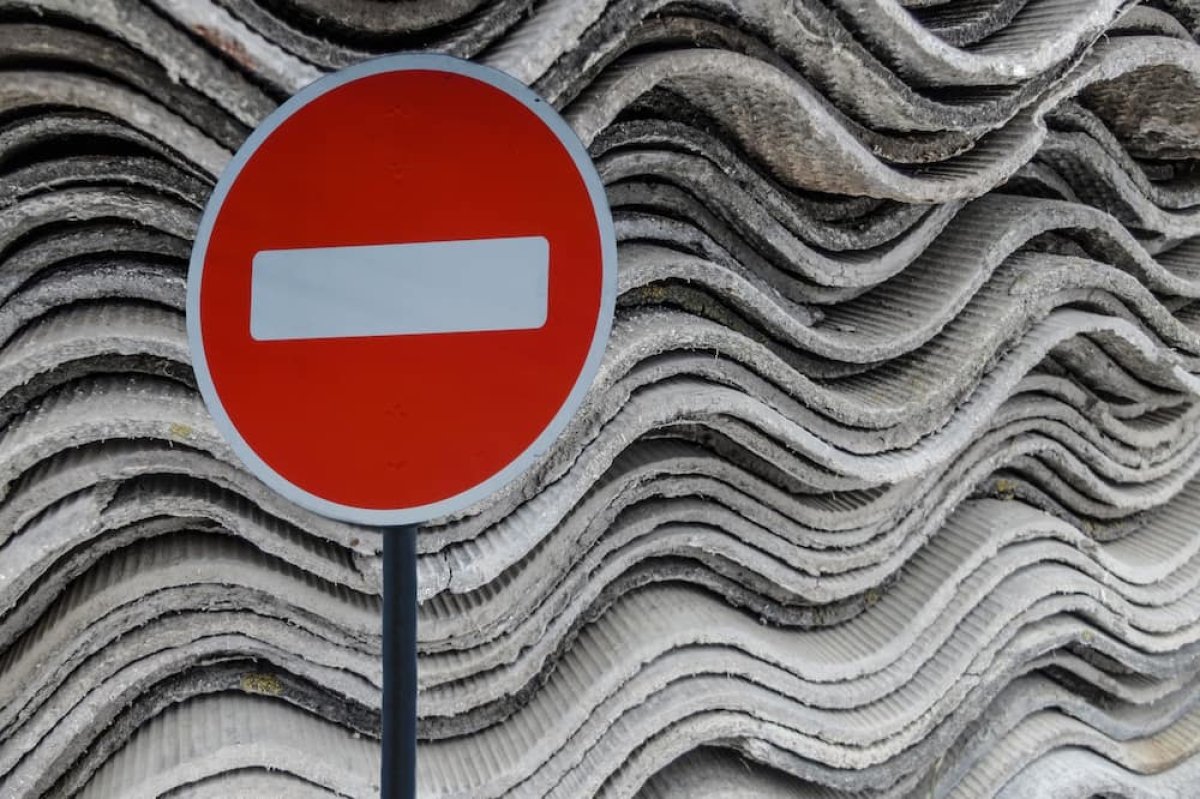
Asbestos was very popular for decades, with asbestos use in construction peaking from the 1930s to the 1970s, until it was banned in 1999. It's a good insulator, has great fire protection properties and can prevent corrosion – so why was asbestos banned in the UK?
Let’s find out. Read on to find out when asbestos was used, when it was banned, and why it was banned.
What Is Asbestos?
Asbestos is a group of naturally occurring minerals consisting of fine, durable fibres. It was widely used in construction for its heat and chemical resistance, but it’s now known to be extremely hazardous to human health.
There are six main types of asbestos:
Serpentine – (chrysotile)
Amphibole – (amosite, crocidolite, anthophyllite, tremolite, actinolite)
.jpg)
Why Was Asbestos Used in Construction?
Asbestos was used because of its properties, including durability, affordability, fire resistance and insulation capabilities.
It was used across a wide range of building materials to improve both heat resistance and strength. Asbestos was cheap, strong, and widely available, so it’s not surprising that it was so popular in the 20th century.
Where Was Asbestos Used?
Asbestos was used in countless materials in both residential and commercial buildings. It was used in:
- Insulation (loft, wall cavity, pipe lagging)
- Floor tiles and adhesives
- Cement sheets and corrugated roofing
- Textured wall coatings (such as Artex)
- Ceiling tiles
- Boiler and duct insulation
- Fireproof panels and doors
- Electrical switchboards
When Was Asbestos Use Banned in Construction Materials?
In the UK, asbestos was completely banned in 1999, as per The Asbestos (Prohibitions) (Amendment) Regulations 1999. The asbestos ban means it is illegal to use, import and supply asbestos-containing materials in the UK.
However, asbestos types started being phased out beforehand, with blue (crocidolite) and brown (amosite) asbestos being banned in 1985 under the Asbestos Products Safety Regulations.
The global timeline varies, with some countries using asbestos even today:
- United Kingdom – Full ban in 1999.
- European Union – Phased in bans throughout the 1990s, and a full EU-wide ban came into effect in 2005.
- United States – Partial bans are in place, but asbestos has not been completely banned. Some uses are still legally permitted in the USA.
- Australia – Full ban in 2003.
- Canada – Full ban implemented in 2018.
India, Russia, and China – As of now, asbestos use continues in some capacity.
Learn all about the history of asbestos use in construction in this helpful blog post.
Why Was Asbestos Banned?
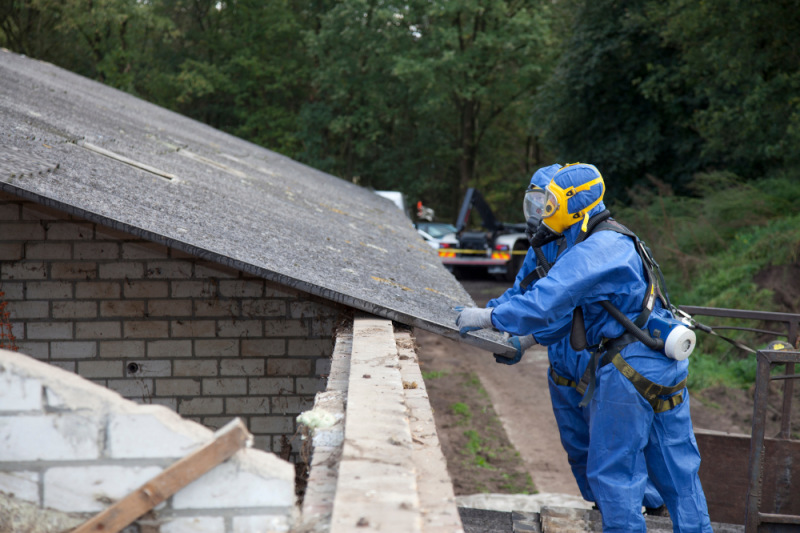
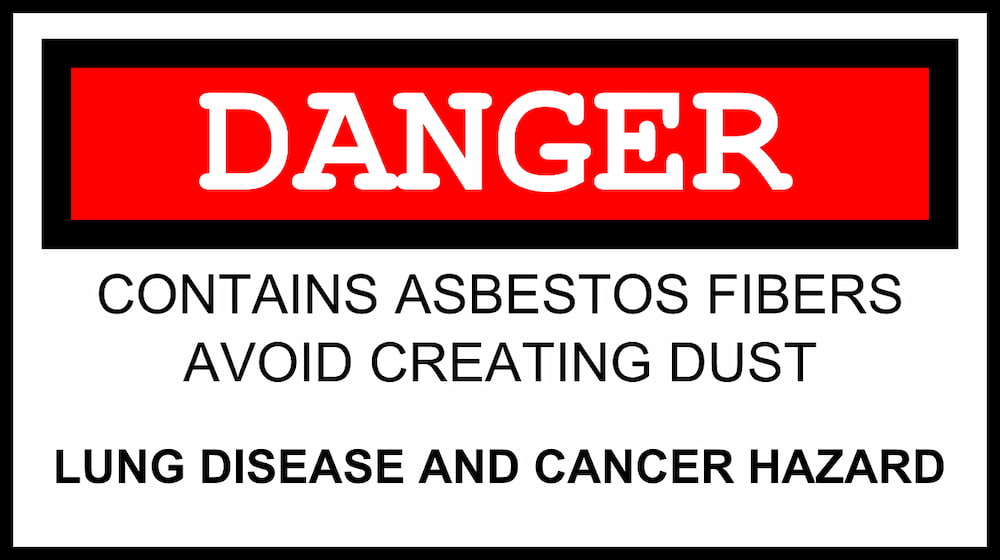
Asbestos was banned in the UK because there was an increase in evidence of its health risks. When asbestos-containing materials are disturbed, they release small fibres into the air, which, if inhaled, can cause long-term damage.
It can lead to deadly diseases, such as:
- Asbestosis – A chronic lung disease that causes shortness of breath and permanent lung damage.
- Mesothelioma – A rare and aggressive form of cancer that develops in the lining of the lungs or abdomen.
- Lung cancer – Prolonged exposure to asbestos dramatically increases the risk.
- Pleural thickening – A condition that causes the lining of the lung to thicken and swell, restricting breathing.
Who is Most at Risk of Asbestos?
Even today, asbestos kills around 5,000 workers every year, which is more than people killed on the road. Because of past inhalation, approximately 20 tradesmen die per week. Despite being banned in 1999, we are still seeing the effects of asbestos. Asbestos is still a problem – it remains a hazard in over 300,000+ non-domestic buildings, including schools and hospitals in the UK.
This is why asbestos awareness training, risk assessments and health and safety advice are so important.
Thousands of people are still at risk of asbestos exposure, especially those who work in older buildings. Some groups at the most risk include:
- Construction workers – Anyone involved in the renovation, refurbishment, or demolition of buildings constructed before 2000.
- Tradespeople – Plumbers, electricians, roofers, carpenters, heating and ventilation engineers may be more at risk.
- Asbestos surveyors – Despite being trained to manage asbestos, these groups are at risk.
- Maintenance staff – Caretakers and janitors may be exposed during building maintenance in schools, offices and hospitals.
Looking for Asbestos Advice?
At Beaconrisk, we are here to give you all the health and safety support you need. From site-specific risk assessment to ensuring all asbestos-containing materials are managed according to UK regulations to ensuring compliance with HSE, we're here to help you mitigate health hazards and maintain compliance.
Reach out today to get started. Call our experts on 0151 647 8658 or contact us for a free quote.